Can You Bind a Referral Code After Signup?
Many users only realize the value of a referral code after they see real fees. This guide explains when binding is possible and why it matters.
If you trade futures even a few times at meaningful size, fees are not a “small detail”. They can become the biggest hidden cost in your PnL.
Summary
Sometimes you can bind a referral code after signup, but it depends on the exchange rules and your account status. If you can still bind, do it early; if you cannot, treat it as a lesson and ensure your next signup preserves attribution.
What matters here
Why people care about referral codes only after they pay fees
Most users do not feel trading fees until they trade meaningful size. A small percentage turns into a large number surprisingly fast when your notional is big and you open and close positions quickly.
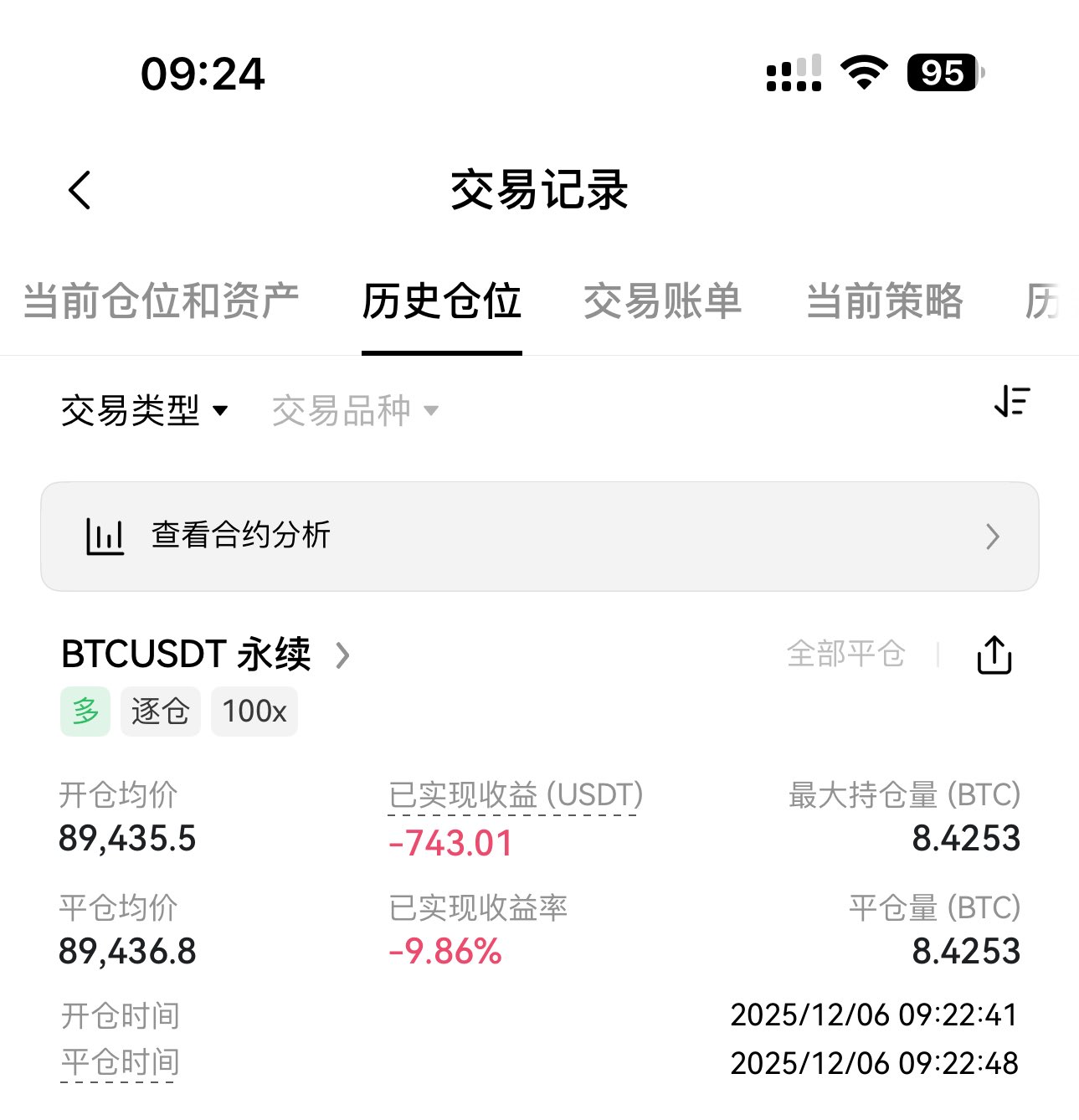
This is why referral codes matter. They rarely change whether you win or lose on a single trade, but they can reduce the cost that is guaranteed to happen on every trade.
Can you bind a referral code after signup?
Sometimes yes, sometimes no. Exchanges usually decide this using three signals: whether you have traded, whether you already bound another code, and whether you are inside an official “binding / recall” window.
A good sign is when the exchange provides an official binding entry point for existing users. A bad sign is when the rules say you must register a new account to preserve attribution.
How much can a code save? A conservative way to estimate
Treat any savings estimate as a range. Fee tier, maker/taker, instrument type, region, and promotion terms all change the final number. What you can do is estimate the order of magnitude.
If you see a real fee example in the hundreds of USDT for a single open-close cycle, even a 20% effective reduction is meaningful. Over weeks or months, it compounds.
The point is not to chase the biggest rebate headline. The point is to consistently reduce the fee you pay on the trades you already plan to make.
Campaigns come and go. Fees keep charging. If you care about long-term cost, treat referral attribution as part of your signup checklist, and bind it early when it is still possible.
Sources
Referenced for the “already have an account” binding/recall flow patterns and disclosure style.
Referenced for a real-world fee complaint and the community discussion around fee calculation.